
The Benefits of Home Health vs. Outpatient Care After Surgery
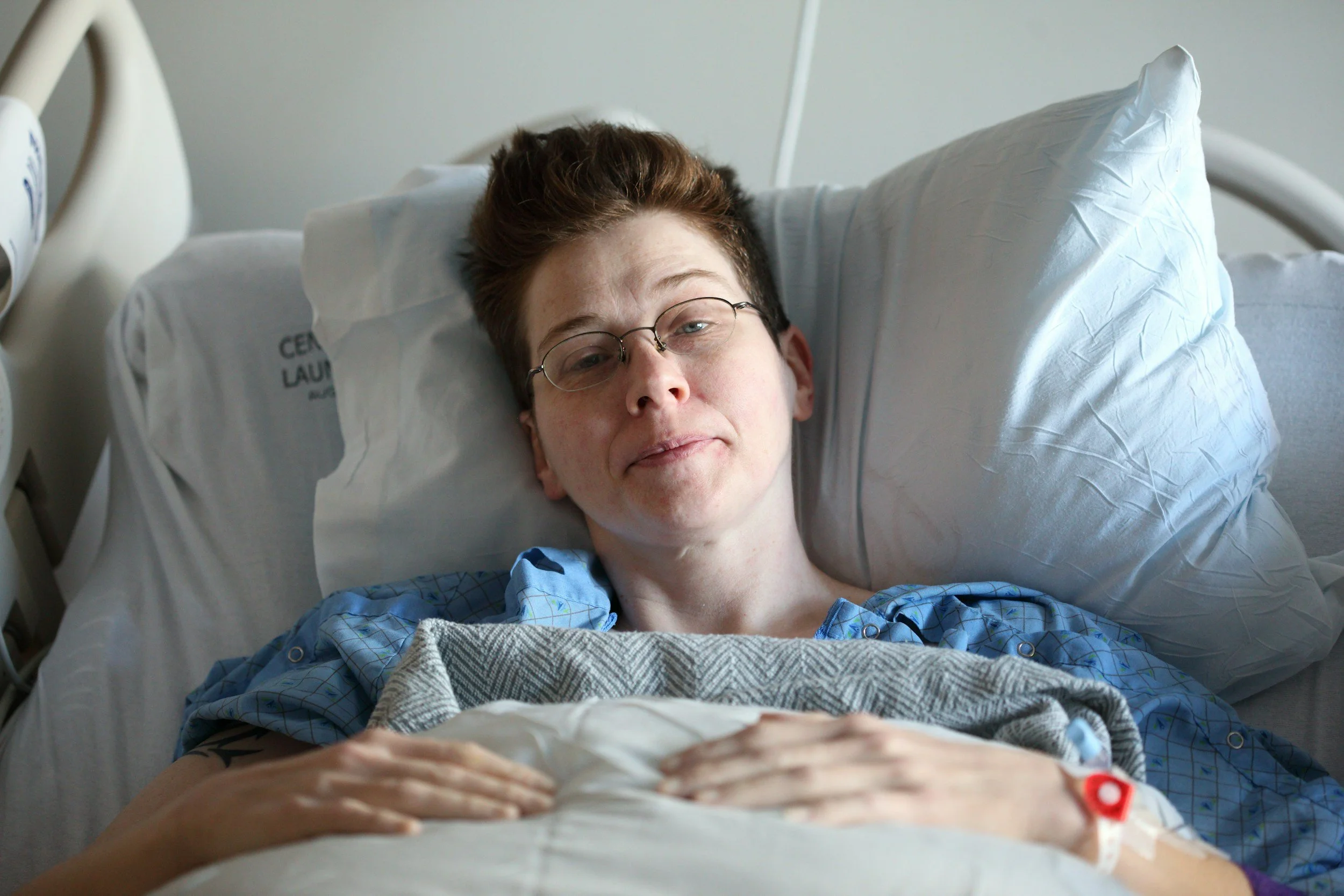
When preparing for surgery, most people focus on the procedure itself, but what happens after surgery matters just as much. Recovery can be challenging, and the type of care you receive can greatly impact your strength, mobility, comfort, and safety during healing.
Two common recovery options are home health care and outpatient therapy. While both have benefits, many patients find that home health offers a safer, easier, and more effective start to recovery.
Here’s what makes home health different and why many Wyoming providers recommend it after surgery.
What Is Home Health After Surgery?
Home health is physician-ordered medical care provided in your home by licensed professionals.
This may include:
Wound care
Medication management
Education for patients and families
Home health is covered by Medicare and many insurance plans when medically necessary. Outpatient therapy, on the other hand, requires you to travel to a clinic for appointments.
Why Home Health Is Often Better After Surgery
1. You Avoid Travel When You’re Most Vulnerable
After surgery, travel can be painful, draining, or even unsafe. Snow, ice, fatigue, limited mobility, and medication side effects add extra challenges.
With home health:
Care comes to you
No driving
No exposure to weather
No lifting, transferring, or long clinic waits
This helps protect your energy for healing and not travel.
2. A Safer Start to Recovery
The first few weeks after surgery are crucial. Home health ensures:
Vitals are monitored
Incisions and wounds are checked
Medications are taken correctly
Complications are caught early
Our skilled nurses work closely with your surgeon and primary care provider to report progress and concerns.
3. Personalized Care in a Familiar Environment
At home, your care team can:
Assess your unique home setup
Recommend simple safety changes
Teach you how to move around your home safely
This kind of functional, real-life support isn’t possible in an outpatient setting.
4. Physical Therapy Tailored to Your Home
Your PT helps you learn:
How to navigate stairs
How to get in/out of bed safely
How to walk on your actual flooring
Safe ways to rebuild strength at home
This leads to stronger, safer results and a quicker transition to outpatient therapy when appropriate.
5. Better Support for Family and Caregivers
Your loved ones learn:
How to help without hurting themselves
When to watch for warning signs
How to support your recovery goals
How to maintain a safe home environment
Caregivers often feel more confident with in-home guidance.
6. A Smooth Transition to Outpatient Care (If Needed)
Home health prepares you for the next phase of healing. Once you're strong enough, your PT or nurse can recommend transitioning to outpatient therapy for continued progress.
This creates a well-supported, step-by-step recovery path.
Which Is Right for You?
While outpatient therapy is beneficial for later stages of healing, home health is often the best first step after surgery, especially if you’re experiencing:
Pain
Mobility challenges
Fatigue
Wound care needs
High fall risk
Need for medication management
Limited transportation support
Recover With Confidence - Choose Home Health After Surgery
At Wyo Home Health, we help patients recover safely and comfortably at home so they can regain strength, mobility, and confidence sooner.
Ask your provider to order home health, remember, you can choose Wyo Home Health.